22 January 2025
The Grape Varieties of Bodeaux
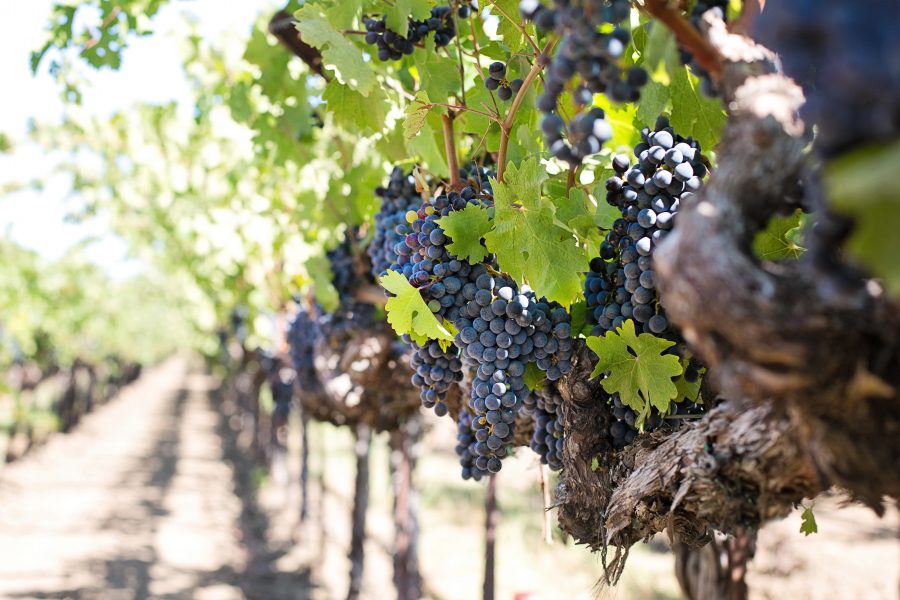
Bordeaux makes blends. While single-varietal wines exist, they are rare. Bordeaux wines are primarily crafted by blending multiple grape varieties. The grape varieties permitted under Bordeaux’s appellation regulations are carefully limited and categorized into red and white varieties.
Red Varieties
Approximately 88% of Bordeaux’s wine production is red, with about 6% being rosé. Contrary to popular belief, Merlot—not Cabernet Sauvignon—is the dominant red grape variety in Bordeaux, accounting for over 63% of plantings. Cabernet Sauvignon represents less than 24% of the black grape plantings. This composition suggests that Cabernet Sauvignon complements Merlot by providing structure, rather than the reverse as traditionally believed.
In the Médoc, a region often associated with Cabernet Sauvignon, Merlot still constitutes nearly 50% of most blends, though proportions vary by appellation. Pétrus, one of the world’s most prestigious wines, is now exclusively Merlot, demonstrating the grape’s ability to stand alone. While Cabernet Sauvignon is widely regarded as a classic grape with global acclaim, its role in Bordeaux is often overstated.
White Varieties
Sémillon is the leading white grape in Bordeaux, representing almost 50% of white plantings. This variety is vital for crafting both sweet wines like Sauternes and Barsac, as well as high-quality dry white blends. Its susceptibility to "noble rot" (botrytis) makes it unparalleled for sweet wine production.
Sauvignon Blanc plays a supporting role, lending its crisp acidity and citrusy aromas to both sweet and dry wines. Sauvignon Gris, a mutation of Sauvignon Blanc, contributes softer, richer flavors but is a minor player in Bordeaux. Muscadelle adds aromatic lift to blends, albeit in small quantities.
Varietal Contributions to Blends
For red wines:
- Cabernet Sauvignon provides a firm tannic structure, evolving from blackcurrant and violet notes in youth to tobacco and cedar with age.
- Cabernet Franc shares similarities with Cabernet Sauvignon but can exhibit leafy or earthy characteristics, especially when grown on limestone soils like those in St-Émilion.
- Merlot is soft, silky, and opulent, particularly thriving in the clay soils of Pomerol. Its approachable nature makes it a favorite for young wines.
- Lesser varieties like Malbec, Carmenère, and Petit Verdot contribute color, acidity, and complexity in small amounts.
For white wines:
- Sauvignon Blanc in Bordeaux offers a delicate, citrusy character, distinct from the sharper profiles found in regions like Sancerre.
- Sémillon brings richness and longevity to blends, complementing Sauvignon Blanc’s acidity.
- Muscadelle provides floral aromatic depth.
Innovations in winemaking, led by pioneers like the late Denis Dubourdieu, have significantly improved the quality of dry white wines in Bordeaux, particularly in Graves and Entre-Deux-Mers.
Why Bordeaux Blends?
The diversity of grape varieties in Bordeaux reflects the region’s varied soils and temperate climate. For instance, Cabernet Sauvignon thrives on the gravel soils of the Left Bank, while Merlot performs best on clay. The blend also provides adaptability; in cooler years, early-flowering Merlot may suffer, necessitating adjustments in the blend.
Blending allows winemakers to fine-tune the style of their wines annually. It also enables the production of second wines—typically more approachable and affordable, often crafted from younger vines or less concentrated juice. Grapes unsuitable for either the first or second wine are sold in bulk, without the château’s name.
The art of blending ensures that each vintage reflects both the terroir and the winemaker’s vision, maintaining Bordeaux’s legacy of excellence and versatility.
By Category